

Pain in the lower abdomen?
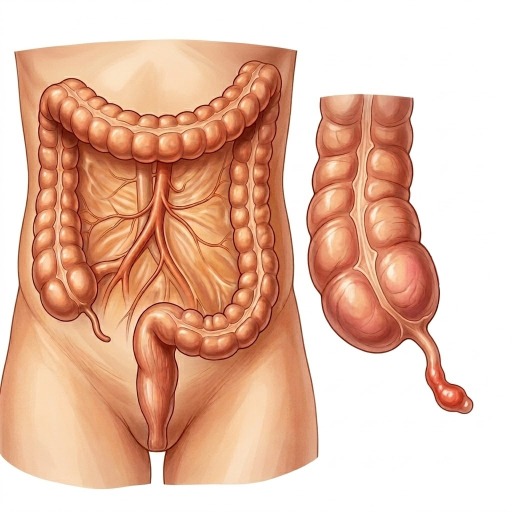
Appendicitis is one of those medical emergencies that shouldn't be ignored. Basically, it's the inflammation of the appendix, a small, finger-like tube that hangs from the large intestine (in the lower right abdomen).

Symptoms you shouldn't ignore
The classic symptom is pain, but it has a very particular way of presenting itself:
-
The pain's "journey": It usually begins as a dull ache around the navel and, after a few hours, moves to the lower right side of the abdomen.
-
Sharp pain: Once it settles on the right side, the pain becomes much more intense and constant. It usually worsens if you cough, walk, or make sudden movements.
-
Loss of appetite: This is almost universal; if you're hungry, it's less likely (though not impossible) that it's appendicitis.
-
Nausea and vomiting: These usually appear shortly after the abdominal pain begins.
-
Slight fever: There may be a low-grade fever that worsens if the inflammation progresses.
-
Constipation or diarrhea: Accompanied by the inability to pass gas.
Listen to your body
Appendicitis is one of those medical emergencies that should not be ignored.
Frequently Asked Questions
What are the causes of appendicitis?
Appendicitis occurs when the inside of the appendix becomes blocked. This blockage can be caused by:
- Hardened stool (fecaliths).
- Parasites or tumors (less common).
- Infections that cause the lymphatic tissues of the appendix to swell.
Why is it dangerous?
When the appendix becomes blocked, bacteria multiply rapidly inside the tube. This causes inflammation, pus, and pressure. If left untreated, the appendix can perforate or rupture (peritonitis), spreading infection throughout the abdomen, which is a life-threatening emergency.
What should I do?
- Do not take painkillers or laxatives: They can mask the symptoms or even cause the appendix to rupture faster.
- Do not eat or drink anything: In case you need emergency surgery.
- Seek immediate medical attention: An experienced doctor can make a definitive diagnosis based solely on a physical examination.
- During your examination, they will find signs highly suggestive of appendicitis and, if necessary, will order additional tests to confirm the diagnosis, which requires immediate attention because it is an emergency.
Your Health Cannot Wait
A timely assessment can make all the difference
Schedule your consultation and receive professional, clear care focused on your safe recovery.