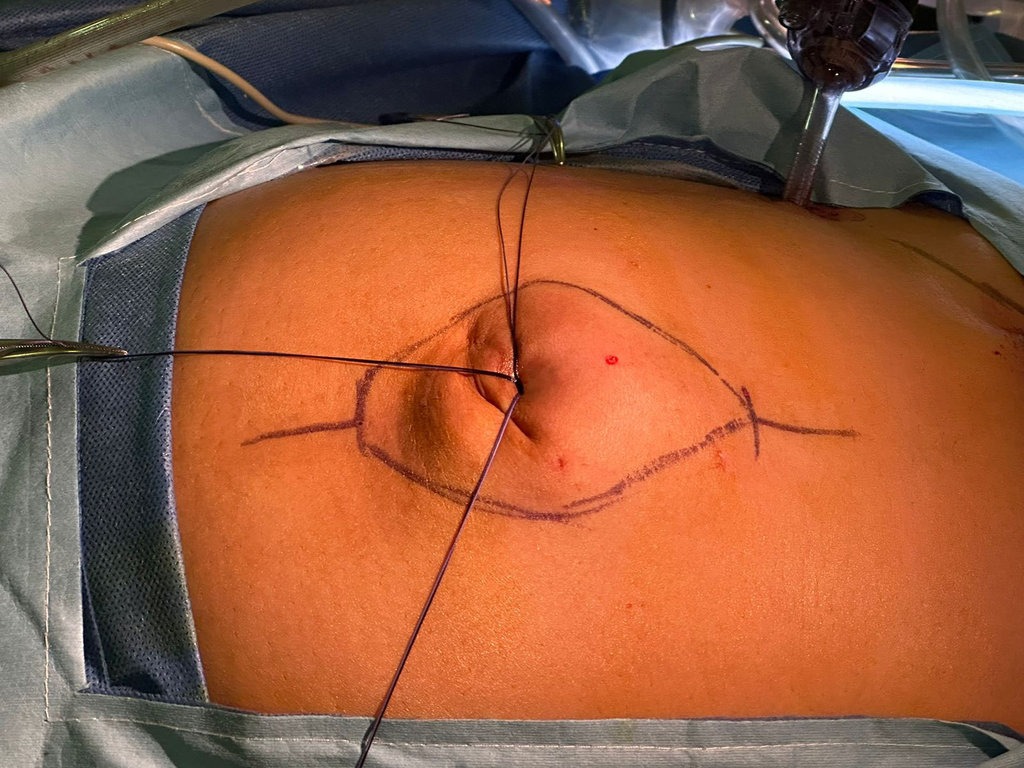
Hernias
Do you have a hernia? Recover safely and return to your normal life.
A hernia occurs when an internal part of your body, such as the intestine, protrudes through a weak spot in the abdominal or groin muscles. This usually appears as a visible bulge that may increase when you strain, cough, or lift heavy objects.

How to recognize a hernia?
- Appearance of a soft lump in the abdomen or groin
- Pain or discomfort, especially with exertion
- A feeling of pressure or burning
- The lump may disappear when you lie down, but reappear when you stand up
Most frequent types
- Inguinal (the groin is the most common area)
- Umbilical (the navel area is also very common)
- Hiatal
- Incisional (in scars from previous surgeries)
Femoral
There are other types of hernias, which only a specialist can accurately diagnose and resolve.
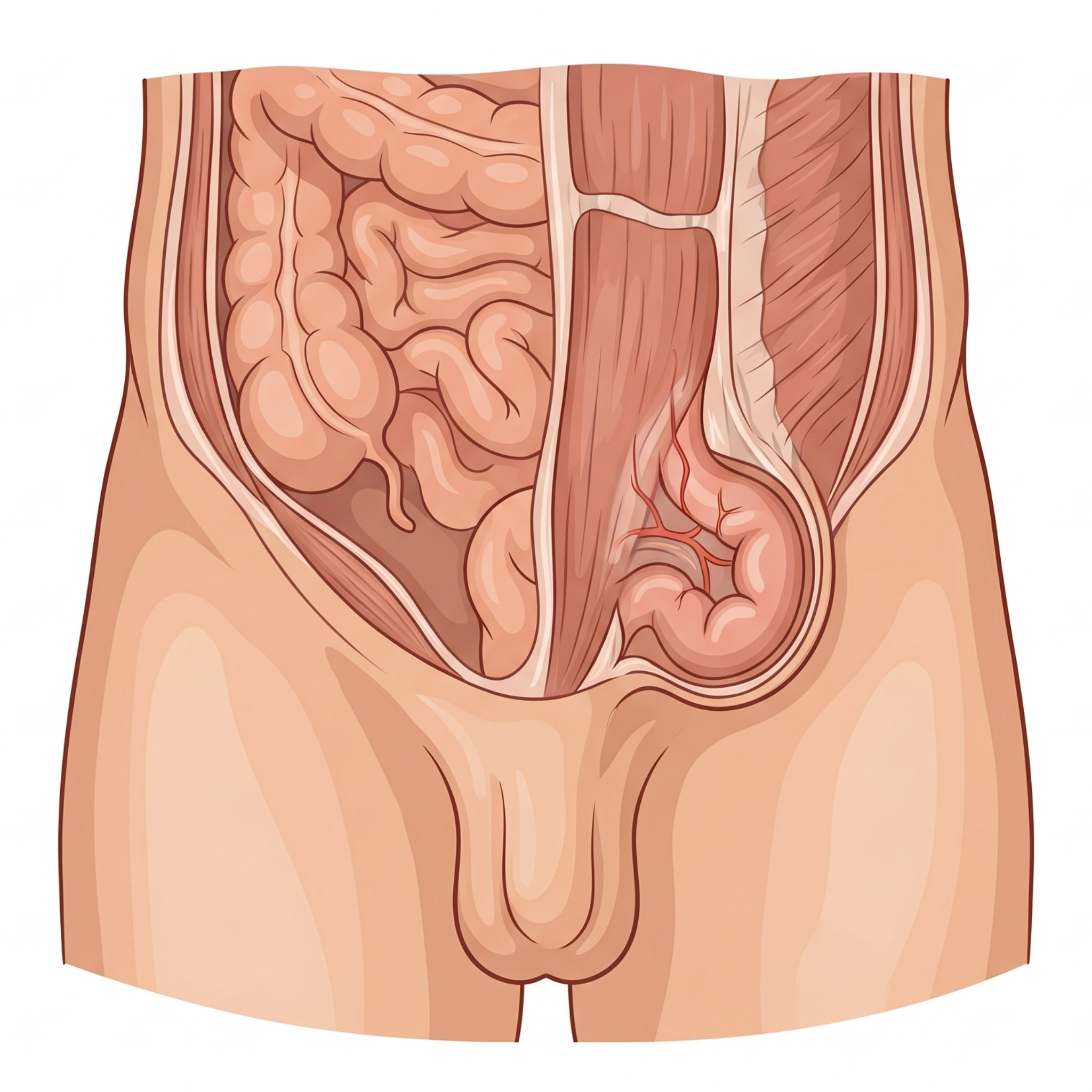
Important: Hernias do NOT heal on their own.
Over time, they can grow and cause complications. In some cases, the tissue can become trapped (strangulated hernia), which is a serious medical emergency.
Frequently Asked Questions
Is surgery a safe and definitive treatment?
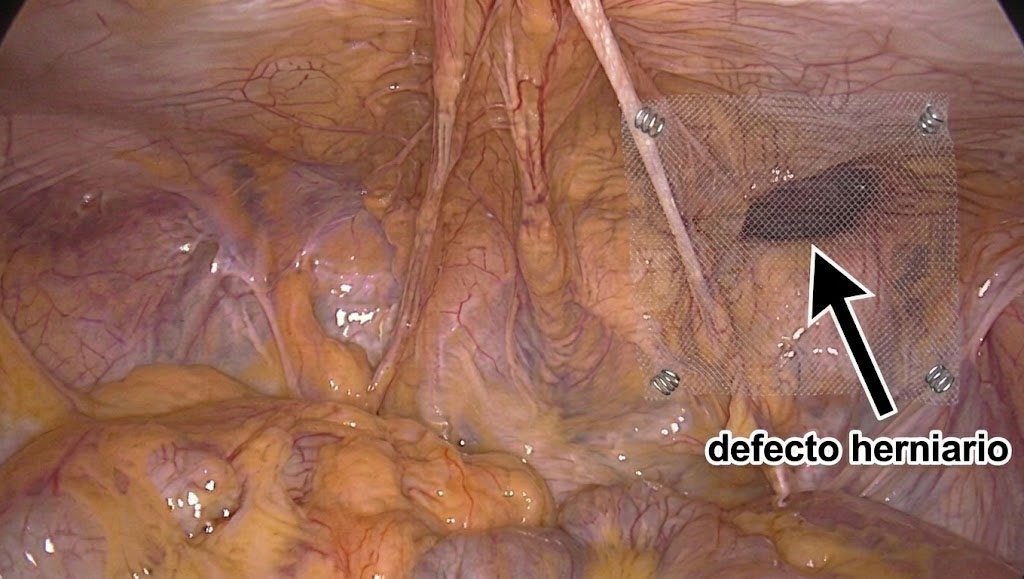
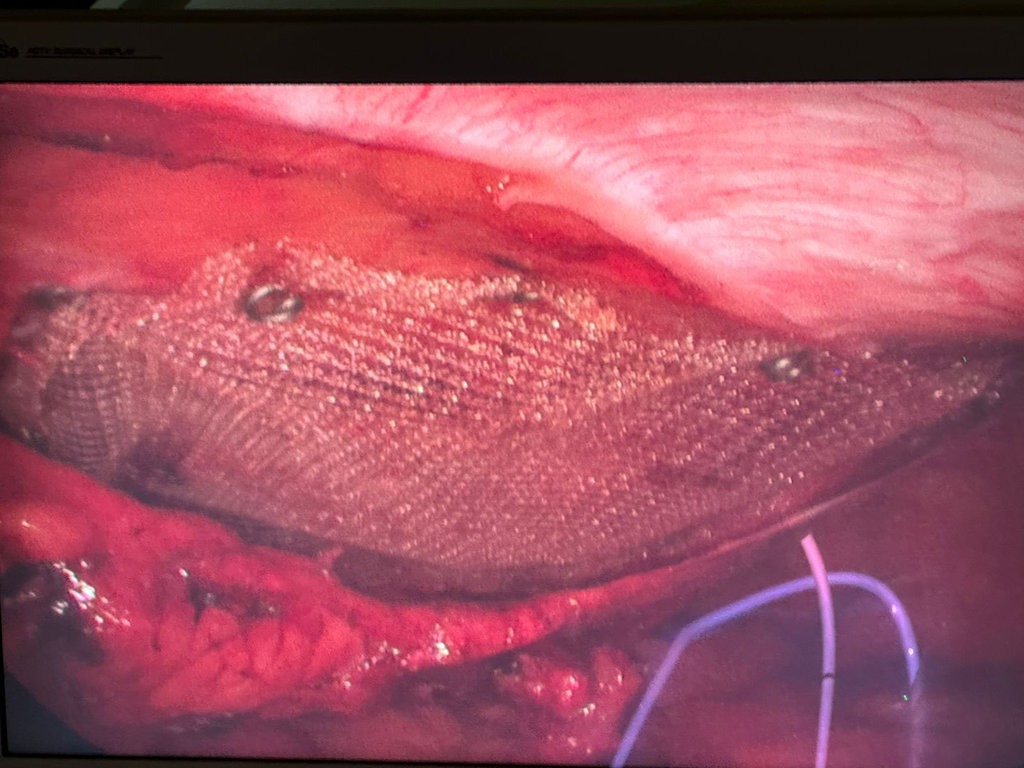
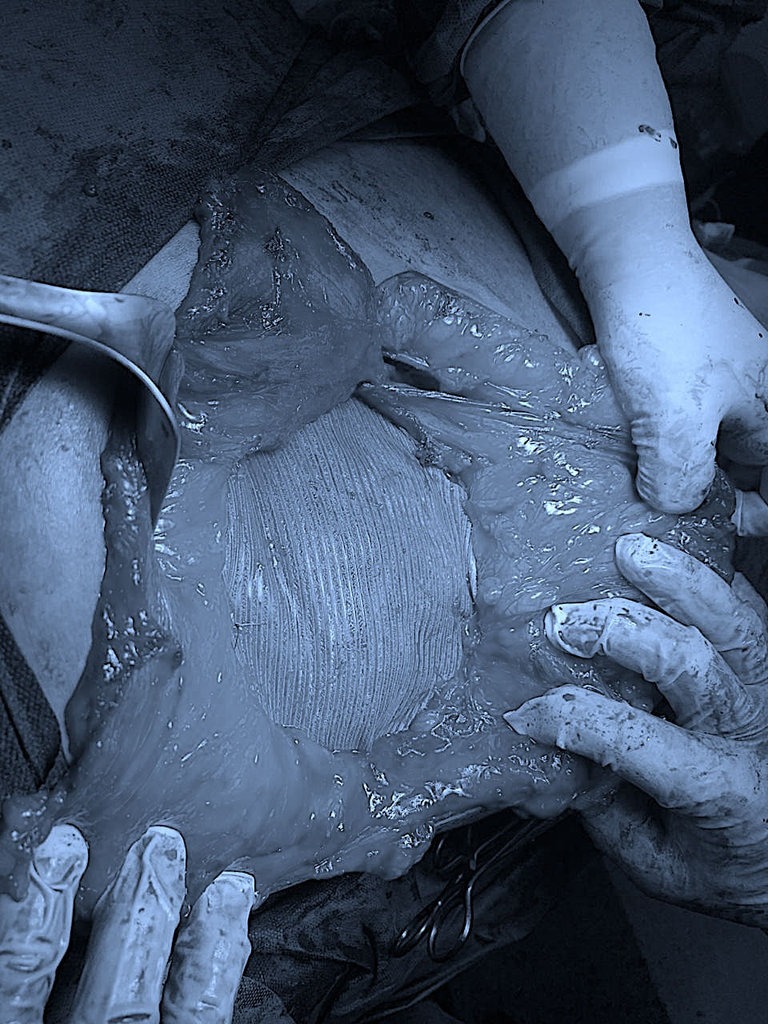
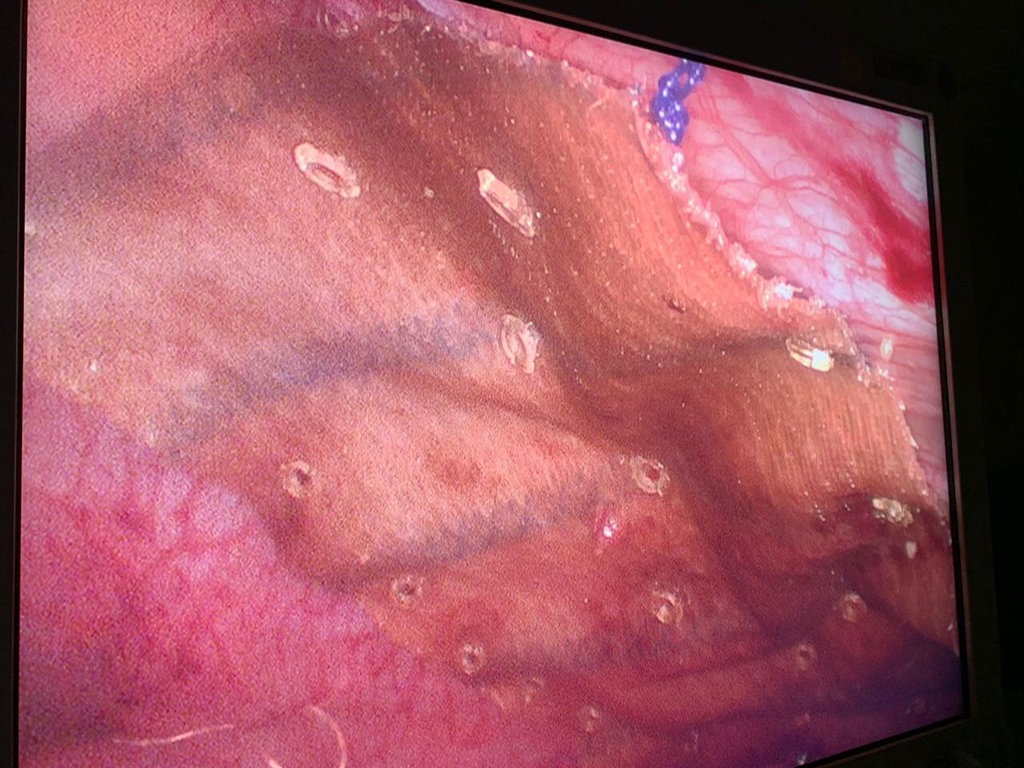
Surgery is the only effective treatment, and today it is performed using modern, safe techniques with a quick recovery time. A specialized mesh is generally used to reinforce the area and reduce the risk of the hernia recurring.
Why have surgery on time?
- You avoid serious complications
- You reduce pain and discomfort
- You regain your quality of life
- You return to your normal activities faster
Minimally invasive surgeries or laparoscopic techniques are usually outpatient procedures; you don't need to stay overnight in the hospital.
When should I seek an evaluation?
Seek immediate medical attention if:
- The lump increases in size
- You experience severe pain
- You have difficulty walking
- It changes color
- You experience nausea or vomiting
Your Health Cannot Wait
A timely assessment can make all the difference
Schedule your consultation and receive professional, clear care focused on your safe recovery.